

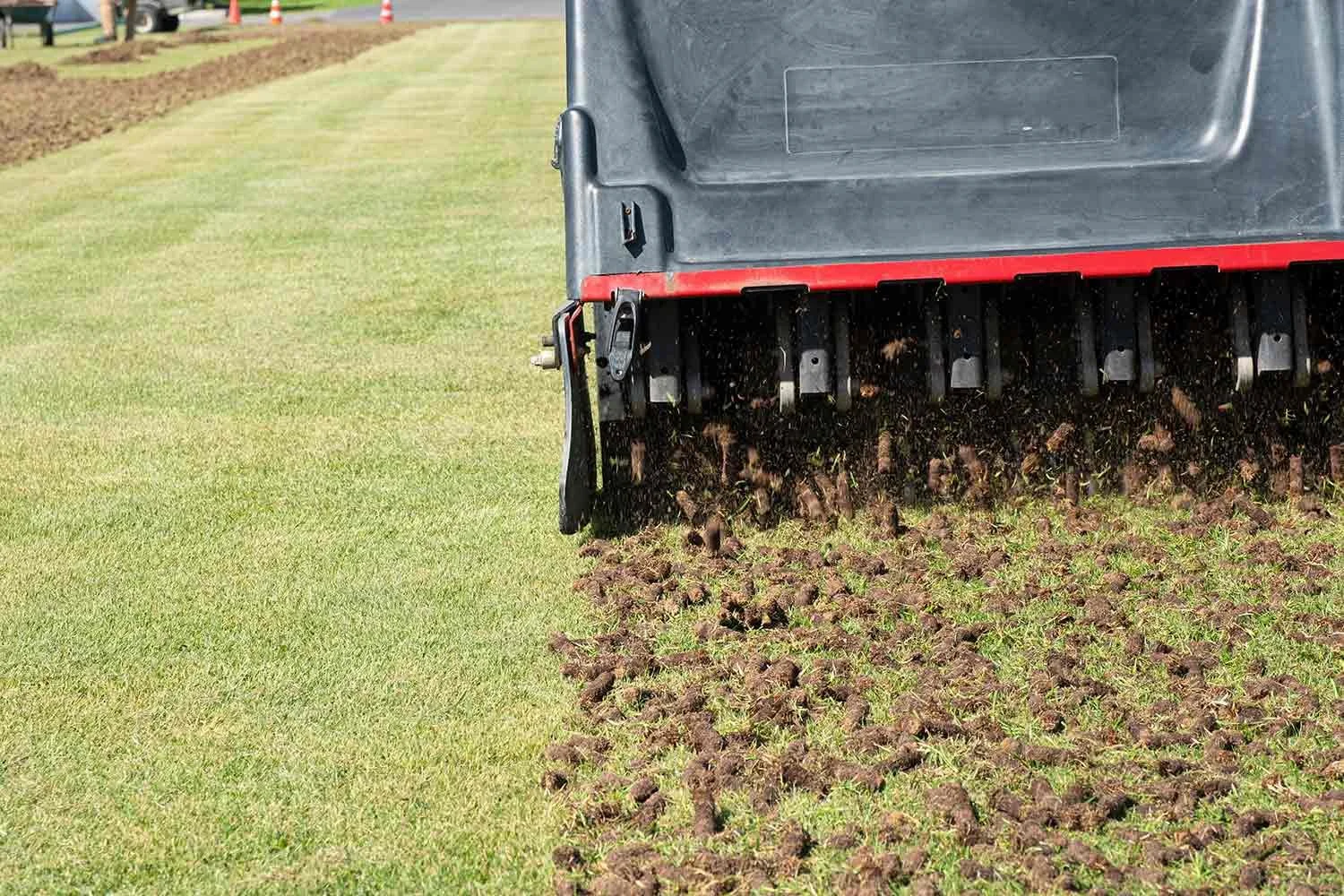
🌱 Lawn Aeration & Overseeding in Charlottesville
If you live in Charlottesville, your lawn is most likely battling compacted clay soil, summer heat stress, and patchy growth. That’s exactly why aeration and overseeding are two of the most important services you can do each year.
Done at the right time, this can completely transform a thin, struggling lawn into a thick, healthy one.
Get a Thicker, Healthier Lawn This Fall
If your lawn is thin, patchy, or struggling through Virginia’s heat, core aeration and overseeding is the single most effective way to bring it back to life.
At Black Roses Landscaping, we help homeowners across Charlottesville and Central Virginia grow thick, healthy, weed-resistant lawns—without the guesswork.
👉 Request a Free Estimate Today
✅ Why Aeration & Overseeding Matters in Charlottesville
Lawns in Central Virginia face unique challenges:
Heavy clay soil compaction
Hot, stressful summers
Thinning grass and bare spots
Weed pressure
Core aeration loosens compacted soil, while overseeding fills in thin areas with strong, new grass.
✔ Improves root growth
✔ Increases lawn thickness
✔ Helps prevent weeds naturally
✔ Boosts drought resistance
📅 Best Time for Lawn Aeration in Charlottesville, VA
We recommend scheduling service during:
🍂 Peak Season:
Mid-September through mid-October
This is when:
Soil is warm for seed germination
Cooler temperatures reduce stress
Grass establishes before winter
👉 Fall service delivers the best long-term results in Charlottesville.
🌿 Our Aeration & Overseeding Process
We don’t just “poke holes”—we follow a proven system designed for Central Virginia lawns:
1. Lawn Evaluation
We assess:
Soil compaction
Grass type (typically tall fescue)
Problem areas
2. Core Aeration
Commercial-grade equipment
Removes soil plugs (not spike aeration)
Double-pass for maximum effectiveness
3. Overseeding with Premium Seed
High-quality tall fescue blends
Heavier application in thin areas
Selected for Virginia climate performance
CAUTION: Beware of seed with more than .5% weed seed! High-quality grass seed should contain 0.0% to 0.5% weed seed by weight. While some regulations allow up to 1% in lower-quality mixes, reputable certified seed usually keeps this under 0.5%. The label should always show "0%" or "None" for noxious weeds, which are harmful, hard-to-control plants.
4. Starter Fertilization
Encourages strong root growth
Helps seed establish quickly
5. Watering & Care Guidance
We give you simple, clear instructions so your new lawn thrives after service.
🌱 What Results Should You Expect?
With proper watering and timing, most homeowners see:
New grass germination in 7–14 days
Noticeably thicker lawn within 3–4 weeks
Stronger, greener lawn the following spring
❌ Why DIY Aeration Often Falls Short
Many homeowners try renting equipment—but run into problems like:
Shallow or ineffective aeration
Uneven seed coverage
Poor timing
Using low-quality seed
👉 In our experience serving Charlottesville, professionally done aeration and overseeding produces significantly better, longer-lasting results.
💰 Lawn Aeration Cost in Charlottesville, VA
Pricing depends on:
Lawn size
Condition of soil
Amount of seed needed
👉 Most residential properties fall into a simple, affordable range.
Get a fast, no-obligation quote today.
🏡 Who This Service Is For
This is ideal if your lawn:
Has bare or thinning areas
Feels hard or compacted
Struggles every summer
Needs thickening before winter
⭐ Why Choose Black Roses Landscaping
Local experience in Central Virginia soil conditions
Professional equipment (no rental-grade tools)
High-quality seed blends
Reliable scheduling during peak season
Honest recommendations—no upselling
📍 Serving Charlottesville & Surrounding Areas
We provide lawn aeration and overseeding in:
Charlottesville
Albemarle County
Crozet
Keswick
NEW - Washington, DC
🚀 Get a Free Lawn Aeration Quote
Ready for a thicker, healthier lawn this fall?
👉 Call or Text (434) 632-5190
👉 Or fill out our quick estimate form
Spots fill up fast during peak aeration season—schedule early to lock in your service.
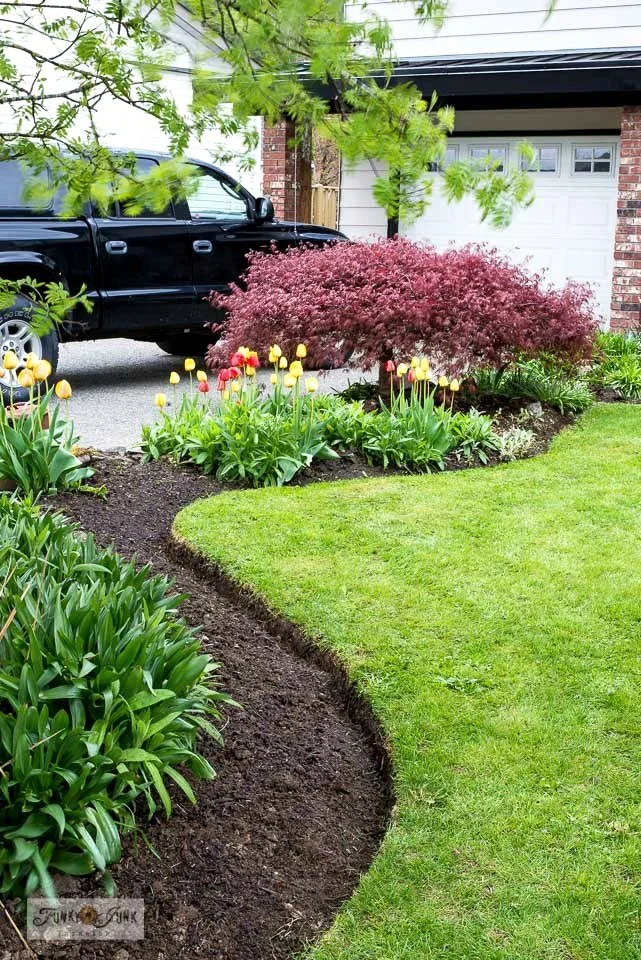
🌱 Lawn Care Tips for Homeowners in Charlottesville, Virginia
A healthy, green lawn in Charlottesville doesn’t happen by accident. Central Virginia’s clay soils, seasonal temperature swings, and hot summers require a tailored approach. With the right timing, techniques, and grass care, you can maintain a lawn that looks great year-round.
This guide covers the best months for lawn care, common grass types, step-by-step maintenance, common mistakes, and when to hire a professional.gins Here
A healthy, green lawn in Charlottesville doesn’t happen by accident. Central Virginia’s clay soils, seasonal temperature swings, and hot summers require a tailored approach. With the right timing, techniques, and grass care, you can maintain a lawn that looks great year-round.
This guide covers the best months for lawn care, common grass types, step-by-step maintenance, common mistakes, and when to hire a professional.
📅 Best Months & Timing for Lawn Care in Charlottesville
Timing your lawn care is critical. Here’s what works best in Central Virginia:
🌱 Spring (March – May)
Apply pre-emergent herbicide to prevent crabgrass
Begin fertilization after soil warms to ~55°F
Inspect for winter damage and bare spots
🌱 Summer (June – August)
Water deeply 1–2 times per week (early morning is best)
Mow high (3–4 inches) to reduce heat stress
Spot treat weeds as needed
🌱 Fall (September – November)
Core aerate and overseed thin areas (mid-September to mid-October)
Apply fall fertilizer to strengthen roots
Leaf cleanup to prevent suffocating grass
🌱 Winter (December – February)
Minimal maintenance, but remove debris and fallen branches
Plan for early spring lawn repairs
🌿 Grass Types Common in Charlottesville Lawns
Homeowners in Central Virginia typically have cool-season grasses, including:
1. Tall Fescue
Deep roots, drought-resistant
Most common in lawns across Charlottesville
Excellent for overseeding in fall
2. Kentucky Bluegrass
Spreads to fill gaps
Often mixed with fescue for thicker coverage
3. Perennial Ryegrass
Germinates quickly
Good for quick green-up but less heat-tolerant
Knowing your grass type helps you choose proper fertilizer, watering, and mowing schedules.
🛠 Step-by-Step Lawn Care Process
Here’s a practical approach that works in Central Virginia:
1. Mowing
Keep grass 3–4 inches tall in summer
Sharpen mower blades to avoid tearing grass
Mow frequently enough that no more than 1/3 of the blade is cut at once
2. Watering
Deep, infrequent watering is better than frequent shallow watering
Aim for 1 inch of water per week, more during hot spells
Early morning watering reduces disease
3. Fertilization
Spring: light nitrogen fertilizer
Fall: balanced fertilizer to strengthen roots
Avoid late-summer fertilization (can stress grass before winter)
4. Aeration and Overseeding
Best in mid-September to mid-October
Loosens soil, improves nutrient absorption, and fills thin spots
5. Weed Control
Pre-emergent in spring prevents crabgrass
Post-emergent spot treatments for dandelions and clover
Avoid heavy chemical use during hot months
6. Pest & Disease Management
Inspect for fungal issues or insect damage
Apply treatments only when necessary to avoid resistance
❌ Common Mistakes Homeowners Make
Mowing too short → weakens roots and invites weeds
Overwatering or under-watering → causes shallow roots or drought stress
Skipping aeration → leads to compacted clay soil
Ignoring fall fertilization → reduces winter survival and spring greening
Using the wrong seed for the region → fails to thrive in Central Virginia’s climate
👷 When to Hire a Professional
Professional lawn care is worth it if:
Your lawn has large bare or compacted areas
You’re dealing with persistent weed or disease problems
You want season-long maintenance without hassle
You lack equipment for core aeration, overseeding, or fertilization
A local expert in Charlottesville, like Black Roses Landscaping, can customize care for your soil type and grass, ensuring your lawn stays green and healthy year-round.
🌱 Final Thoughts
By following seasonal timing, proper watering, mowing, fertilization, and aeration, homeowners in Charlottesville can enjoy:
Thicker, greener grass
Reduced weeds
Improved soil health
Long-term lawn resilience
Lawn care in Central Virginia is all about consistency and timing. Even small, regular efforts pay off big.
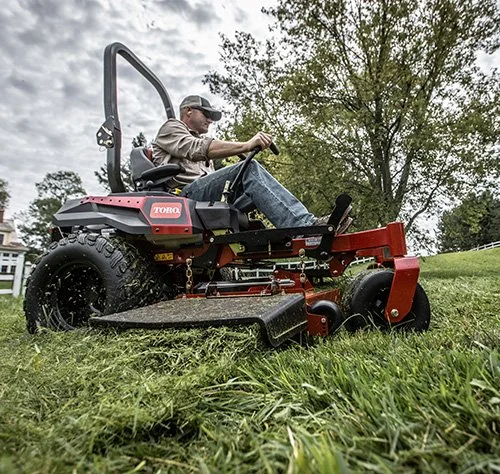
Lawn Care Equipment - Electric VS. Gas Powered
Charlottesville, Virginia Lawn Care Schedule: A Month-by-Month Guide for Homeowners
Pros of Electrical Lawn Care Equipment
1. Environmentally Friendly
Produces zero direct emissions, unlike gas-powered equipment.
Reduces your carbon footprint, especially important for residential neighborhoods or environmentally conscious clients.
2. Lower Operating Costs
Electricity is cheaper than gasoline.
Minimal maintenance: no oil changes, spark plugs, or fuel filters.
3. Quieter Operation
Runs significantly quieter than gas-powered mowers, trimmers, and blowers.
Ideal for early morning or evening use in residential areas.
4. Lightweight & Easier to Handle
Battery-powered and corded tools are generally lighter.
Easier to maneuver in tight spaces, slopes, and around landscaping features.
5. Instant Start
No pull cords or choke adjustments—just push a button.
Saves time and reduces strain on the operator.
6. Less Maintenance
No fuel storage, no carburetor issues, fewer moving parts.
Batteries and motors are typically long-lasting with proper care.
Cons of Electrical Lawn Care Equipment
1. Limited Run Time
Battery-powered tools depend on battery capacity; heavy use may require multiple batteries or mid-job recharging.
Corded tools are limited by cord length and access to outlets.
2. Power Limitations
Generally less torque and cutting power than gas engines.
May struggle with thick, overgrown grass or large properties.
3. Upfront Cost
High-quality battery systems or electric mowers can cost more initially than comparable gas equipment.
Replacing batteries over time adds extra cost.
4. Durability Concerns
Batteries and electronics can be sensitive to extreme weather, moisture, or rough handling.
Not always ideal for commercial use in very rugged or continuous operations.
5. Charging & Downtime
Recharge times can slow workflow for multiple jobs unless you have spare batteries.
For corded tools, moving around large properties can be cumbersome.
6. Not Ideal for Very Large Areas
For acreage or professional landscaping services, gas equipment often remains more efficient due to longer run times and higher power.
Bottom Line
Electrical lawn care equipment is excellent for:
Residential homeowners
Small yards and tight spaces
Eco-conscious landscaping
Low-noise environments
It may be less suited for:
Large commercial properties
Extremely dense or tall grass
Long-duration or heavy-duty professional landscaping
Many modern landscapers use a hybrid approach—battery-powered tools for residential or light work, and gas-powered machines for large or demanding jobs. This balances efficiency, cost, and environmental impact.
Black Roses Landscaping uses tools that are built for durability and long term usage. That’s why we are fully electric!
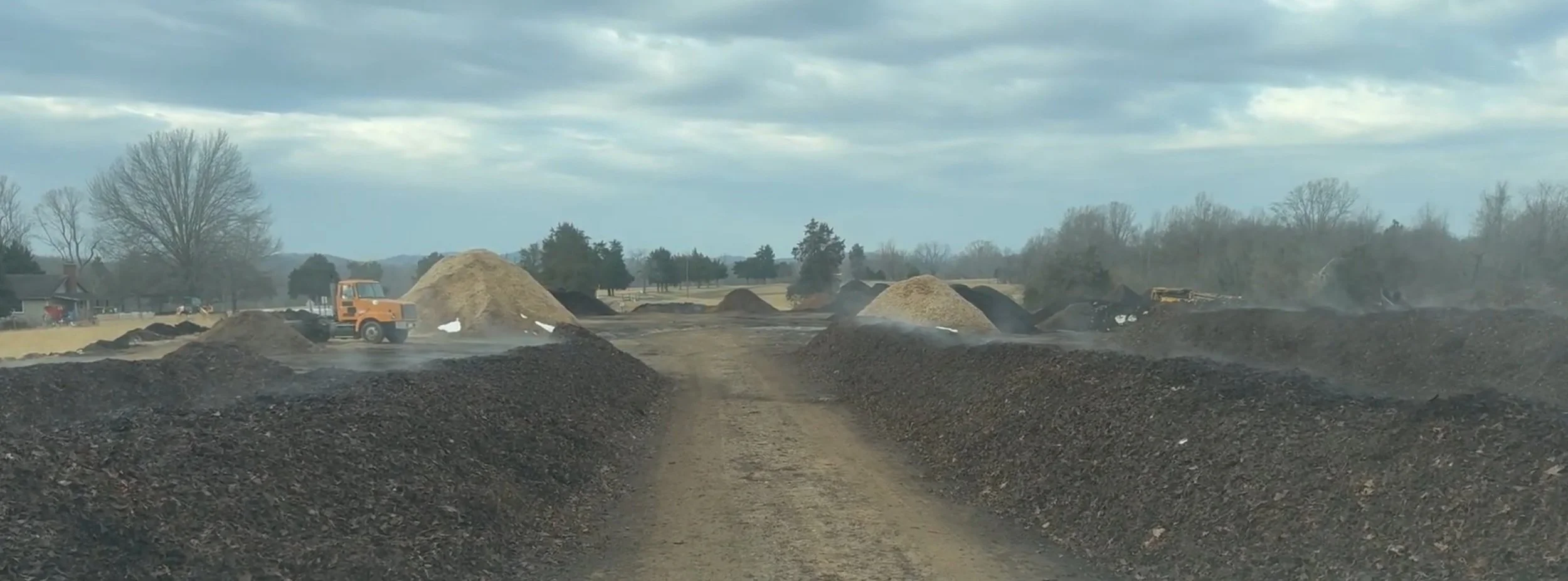
Leaves & Compost
Leaves & Compost
Recycling leaves into compost is a simple, eco-friendly way to turn yard waste into nutrient-rich soil for your garden or landscaping projects. Here’s a practical, step-by-step guide tailored for homeowners or landscapers:
Step 1: Collect and Prepare Leaves
Rake or blow leaves into a pile or bag them.
Shred leaves using a lawn mower, leaf shredder, or garden shears.
- Shredded leaves decompose faster because they have more surface area for microbes.
Remove sticks, stones, or debris that could slow decomposition.
Step 2: Create the Compost Pile
Choose a well-drained, partially shaded spot.
Start with a base layer of coarse material like twigs or straw to improve airflow.
Alternate layers of shredded leaves (carbon-rich) with green material (nitrogen-rich) such as:
- Grass clippings
- Vegetable scraps
- Coffee grounds
A good ratio is roughly 3 parts leaves to 1 part green material.
Step 3: Maintain Moisture and Aeration
Keep the pile damp but not soggy, like a wrung-out sponge.
Turn the pile every 1–2 weeks to mix materials and introduce oxygen.
Proper aeration accelerates decomposition and prevents odor.
Step 4: Monitor and Wait
Decomposition typically takes 2–6 months, depending on:
- Leaf type
- Pile size
- Weather conditions
- Frequency of turning
The compost is ready when it’s dark, crumbly, and earthy-smelling, with no recognizable leaves.
Step 5: Use Your Leaf Compost
Mix into garden beds or flower beds as a soil amendment.
Use as a top dressing for lawns to improve moisture retention and soil structure.
Blend with potting soil for container plants.
Tips for Faster Leaf Composting
Shred leaves before adding to the pile.
Balance carbon and nitrogen (too many leaves without green material slows decomposition).
Keep the pile warm—covering with a tarp in cooler months can speed things up.
Avoid diseased leaves or those with chemical residues.
✅ Benefits of Leaf Compost
Reduces yard waste going to landfills.
Adds nutrients and organic matter to soil.
Improves soil structure, water retention, and aeration.
Supports healthy plant growth naturally.
How does Black Roses Landscaping do it?
We have a local farm that allows us to dump our leaves on their premises. From here they take our leaves and grind them many times over the course of 2 years allowing for them to breakdown as they heat up over the summer and cool down over the winter. These leaves are mixed with other lawn debris over the 2 years as well as dirt and is offered back to us after being tested. The super soil that we provide to our clients is a 97% health rating (very high in nitrogen levels and very high in potassium levels) which is great for raised garden beds or as a top dressing to your lawn.